You Don’t Need Motivation-You Need Systems That Fit Your Life
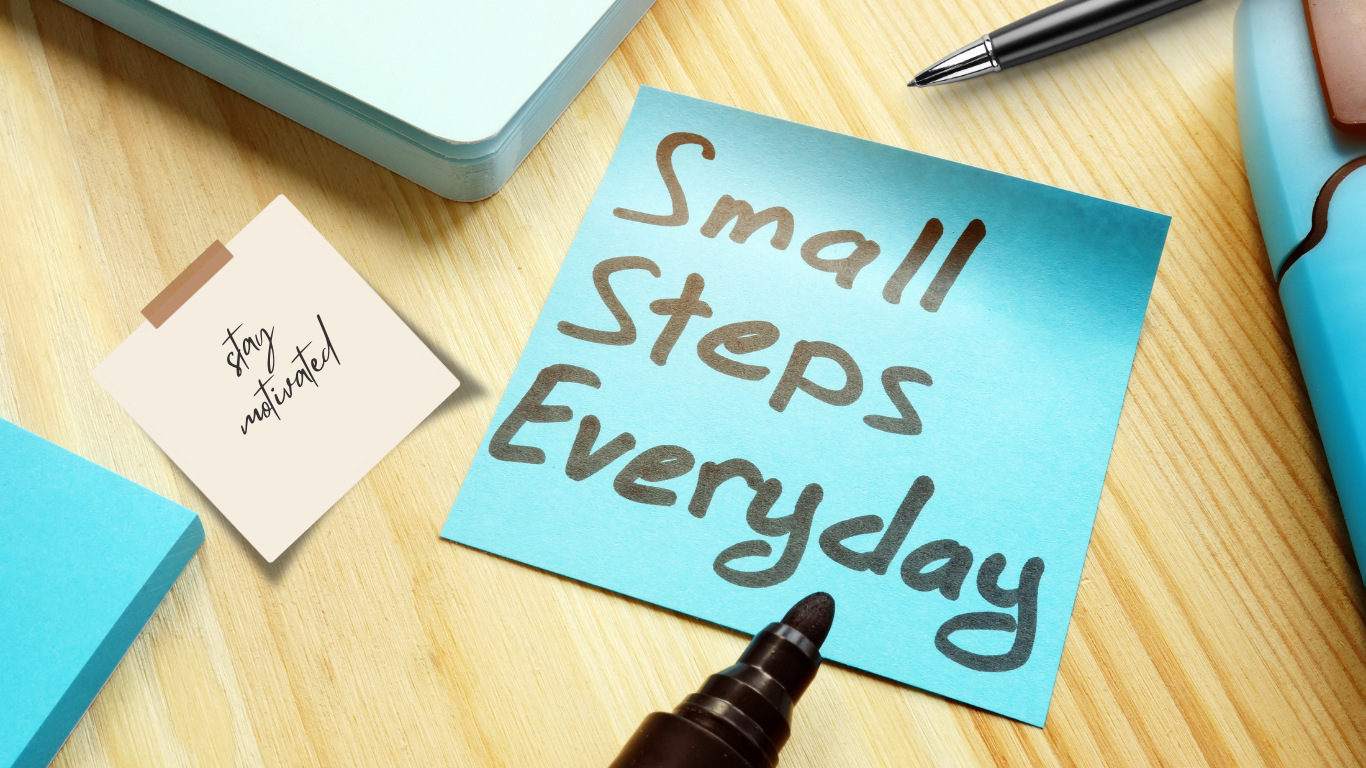
This isn’t a motivational pep talk!
This is lifestyle advice for people who want results without burnout, structure without rigidity, and progress that actually lasts, even on low-energy days.
Let’s be clear about what this post will help you do:
- Why motivation isn’t the real problem
- How to build simple systems that work even on low-energy days
- What consistency actually looks like in real life
- How to stop starting over and start adjusting instead
Before we get into the systems, it helps to understand why relying on motivation alone keeps leading you back to the same cycle.
1. Why Motivation Keeps Failing You (And What to Use Instead)
When your progress depends on motivation, your results will always be unstable.
Motivation is inconsistent by nature. Some days you feel energized and ready to do everything. Other days, you’re tired, overwhelmed, and just trying to get through.
If you’ve ever thought:
- “I need to want it more”
- “Why can’t I stay disciplined?”
- “I always fall off eventually”
The problem isn’t you — it’s the setup.
If you’re feeling stuck and tempted to start over again, this is often a sign you need a reset. Not more motivation. Jump to Reset You Life here >>> https://hermindhermoney.com/resetting-your-life/
2. Systems > Motivation (And What That Actually Looks Like)
A system is something that supports you even when motivation is low. Instead of relying on willpower, systems remove friction and reduce the number of decisions you have to make.
Real-Life Example: Eating Better
This is what choosing systems over motivation looks like in real life.
Instead of waiting to feel motivated:
- You grocery shop once a week
- You rotate 4–5 meals you already know how to cook
- You keep easy options stocked (wraps, frozen veggies, rotisserie chicken)
On tired days, you still eat something decent — not because you’re motivated, but because the system is already there.
Prepared beats motivated every time.
Another System Example: Working Out Consistently
Notice how the goal isn’t intensity, it’s follow through.
Instead of saying, “I’ll work out when I feel like it”:
- You lay out workout clothes the night before
- You commit to 10 minutes minimum, not a full session
- You remove the pressure to “go all out” every time.
Most days, you end up doing more than 10 minutes — but even on low days, you still show up.
Consistency happens because the barrier is low.
3. Your Life Doesn’t Need Perfect Routines
Perfect routines only work in perfect conditions — and real life doesn’t offer those very often.
A “perfect” routine usually sounds like:
Wake up at 5am. Journal. Work out. Read. Plan the day.
A “realistic” routine looks like:
- Wake up
- Stretch for 2 minutes
- Drink water
- Start the day
The goal isn’t to do everything, it’s to keep showing up.
Some days you do more. Some days you don’t. The routine still works either way.
If a routine only works when everything goes right, it’s not sustainable and it doesn’t need to be
4. Build Flexible Structure, Not Rigid Rules
Rigid rules create guilt. Soft structure creates consistency instead.
Instead of this:
“I workout every morning at 6am.”
Try this instead:
“I move my body once a day — before or after work.”
Walking counts. Stretching counts. Short workouts all count.
You stay consistent because the routine adapts to your life, not the other way around.
5. Design for Low-Energy Days (This Is the Game-Changer)
Most people build routines for their best days. The people who stay consistent build for their worst ones instead.
Low-Energy Day Example
This is what maintaining momentum looks like when energy is low.
Instead of deep cleaning your entire house:
- You do a 15-minute reset
Instead of finishing every task:
- You move one important thing forward
Instead of skipping movement:
- You stretch or take a short walk
Progress doesn’t disappear just because the pace slows.
Workout Example
Both options are part of the same system.
High-energy day:
- 30-minute strength workout
Low-energy day:
- 10 minutes of walking or stretching
Both count. The goal is consistency, not intensity.
6. Stop Romanticizing Burnout
Burnout isn’t discipline. It’s a warning sign.
Burnout often comes from:
- Overcommitting
- Working through rest
- Treating exhaustion like proof of progress
A healthier approach looks like:
- Blocking rest into your schedule
- Leaving margin in your week
- Protecting one slow evening on purpose
Rest is preventative, not something you earn.
7. Consistency Is About Recovery, Not Perfection
People who look disciplined aren’t perfect — they’re good at recovering.
Recovery Example
You miss a week of workouts.
Old mindset:
“I fell off. I’ll start over next week.”
New mindset:
“I restart today — no guilt, no punishment.”
You adjust, show up lightly, and keep moving.
That’s consistency.
8. Redefine What Progress Looks Like
If your definition of progress is too strict, you’ll always feel behind.
Progress can look like:
- Doing less, but doing it consistently
- Choosing peace instead of pressure
- Adjusting instead of quitting
Progress isn’t loud. It’s sustainable.
Final Thoughts
You don’t need more motivation.
You need:
- Systems that work when you’re tired
- Routines that bend instead of break
- Expectations that respect your energy
Build your life around support — not pressure.
That’s how habits stick.
That’s how consistency becomes natural.
That’s how real lifestyle change happens.
If you’re ready to reset your routine without burning out, start small and build systems that support real life.